How Mould Testing Works and Why It Matters in Your Home
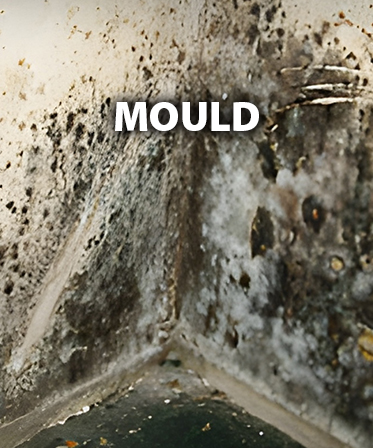
Mould is one of the most common indoor air quality issues found in homes. Even though small amounts of mould occur naturally, growth inside your home can quickly turn into a serious problem. It can damage your property, create unpleasant odors, and trigger health issues, especially for children, seniors, and people with allergies or asthma.
This is why professional mould testing is essential for identifying hidden problems and ensuring a healthy indoor environment.
What Is Mould and Why Does It Grow?
Mould is a type of fungus that thrives in moist, humid, and poorly ventilated areas.
Common places where mould grows include:
- Bathrooms
- Basements
- Crawlspaces
- Attics
- Around windows
- Behind walls
- Under carpets
- Areas affected by leaks or flooding
Mould spreads through microscopic spores that travel through the air. Once these spores land on a damp surface, they begin to grow and multiply.
Signs You May Have Mould in Your Home
If you notice any of the following, mould testing may be necessary:
- Musty or earthy odors
- Visible black, green, or white spots
- Water stains on walls or ceilings
- Recurring condensation on windows
- Peeling paint or wallpaper
- Increased allergy or asthma symptoms
Sometimes mould is completely hidden, especially behind drywall, under flooring, or inside HVAC systems, which makes professional testing even more important.
Why Mould Testing Matters
1. Protects Your Health
Exposure to mould can cause:
- Sneezing, coughing, and irritation
- Headaches
- Shortness of breath
- Asthma flare-ups
- Fatigue
- Skin or eye irritation
Testing helps identify the type and level of mould present so you can take the right steps to eliminate it.
2. Identifies Hidden Moisture Problems
Where there is mould, there is moisture. Testing helps detect hidden issues such as:
- Plumbing leaks
- Poor ventilation
- Foundation cracks
- Roof leaks
- High humidity levels
Fixing the root cause prevents mould from returning.
3. Prevents Property Damage
Mould can:
- Weaken drywall
- Damage insulation
- Rot wood
- Reduce indoor air quality
- Lower property value
Early testing saves you money by addressing problems before they spread.
4. Ensures Safe Remediation
Professionals use mould test results to create a proper remediation plan. This helps determine:
- The type of mould
- The extent of contamination
- Whether containment or specialized equipment is needed
How Professional Mould Testing Works
1. Visual Inspection
A certified inspector checks areas prone to moisture and looks for visible mould, staining, leaks, or humidity problems.
2. Air Sampling
Air samples are collected to measure mould spores in different rooms and compare them to outdoor levels. This detects hidden mould growth.
3. Surface Sampling
Swab or tape-lift samples are taken from suspected areas to identify the mould species.
4. Moisture Detection
Moisture meters, infrared cameras, and humidity readings help locate the source of the problem.
5. Laboratory Analysis
Samples are analyzed by a certified lab to detect:
- Type of mould
- Spore concentration
- Potential health risks
6. Detailed Report & Recommendations
You receive a full report outlining:
- Areas affected
- Types of mould found
- Moisture sources
- Recommended remediation steps
When Air Testing Helps and When It Does Not
Health Canada’s 2023 guide to addressing moisture and mould indoors does not recommend testing the air for mould in most situations, because an air test cannot predict health effects and often says little about the cause of the damage. Health Canada also does not set a health-based exposure limit for indoor mould, so a spore count on its own does not tell you whether a home is safe.
Air testing is most useful when concerns remain unexplained after a careful inspection, especially where there is a history of flooding, roof leaks or pipe leaks that may have affected wall cavities. In those cases, a qualified professional may recommend a non-viable air test for mould spores, and high counts of certain indicator moulds can point to hidden growth inside walls or ceilings. Health Canada notes that a systematic approach based on a thorough visual inspection is usually more effective than relying on extensive air, bulk or swab testing.
What to Do If Mould Is Found
If mould is confirmed:
- Do not attempt to remove large contaminated areas yourself
- Fix the moisture source immediately
- Hire a professional mould remediation company
- Use proper containment and HEPA filtration during cleanup
Proper remediation ensures mould does not spread or return.
How Much Mould Can You Clean Up Yourself?
Health Canada sorts mould growth into three sizes:
- Small: three or fewer patches with a total area under one square metre. It can be cleaned up using proper precautions and protective equipment.
- Medium: more than three patches, each under one square metre, with a combined area under three square metres. An assessment by a qualified professional is recommended, although in most cases it can be cleaned up with proper procedures and protective equipment.
- Large: a single patch larger than three square metres. Health Canada recommends that a qualified professional assess and clean it up.
Many small patches of mould in one area, or throughout the home, can be a sign of a larger moisture problem that needs to be investigated right away.
Health Canada also recommends a professional when mould comes back after cleaning, when hidden mould is suspected inside walls or above ceilings, when flood water was contaminated with sewage or chemical or biological pollutants, or when flooding has reached wall or floor cavities that cannot be dried out by normal methods. For any cleanup, the minimum protective gear is safety glasses or goggles, a well-fitting disposable N95 respirator and household gloves. People most at risk, such as infants, children, seniors, pregnant people and anyone with asthma, should stay away from the area while it is cleaned.
Keeping Mould From Coming Back
Unless the moisture problem is found and fixed, mould will reappear. Health Canada notes that mould will begin to grow in an area with excessive moisture within 48 hours, so leaks and spills need to be dried quickly. Its prevention checklist includes:
- Keeping indoor relative humidity between 30% and 50%, with a dehumidifier where needed
- Running the bathroom exhaust fan during showers and for at least 30 minutes afterwards, vented outside and not into the attic
- Using the kitchen range hood when cooking
- Making sure the clothes dryer vents outside
- Keeping eavestroughs and downspouts clear, with the ground sloping away from the foundation
- Repairing plumbing leaks promptly
Painting over mould does not kill it or stop it from growing back. If the mould is underneath the paint, the affected drywall needs to be removed and replaced.
Conclusion
Mould testing is one of the most effective ways to protect your home, your health, and your investment. Whether you suspect a leak, notice a musty odor, or simply want peace of mind, a professional mould inspection can give you clear answers and help you create a safe living environment. Learn more about our mould testing services.
Frequently Asked Questions
Is there a safe level of mould in a home?
Health Canada does not set a health-based exposure limit for indoor mould, because current science does not support one. It recommends controlling dampness and cleaning up any visible mould, whatever the type.
Should I test the air for mould?
In most situations, Health Canada does not recommend air testing. It can be useful when concerns remain after a thorough inspection, especially after flooding or leaks that may have reached wall cavities.
When should I call a professional about mould?
Health Canada recommends a qualified professional for any single patch larger than three square metres, mould that returns after cleaning, suspected hidden mould inside walls or ceilings, and flooding with contaminated water.
Can I use bleach to clean mould?
No. Health Canada advises against using bleach to clean up mould. Washable surfaces can be scrubbed with an unscented soap solution and then dried completely and quickly.

Why Asbestos Testing Matters for Homeowners and Contractors
How Mould Testing Works and Why It Matters in Your Home
What Is a Hazardous Materials Survey?