Why Asbestos Testing Matters for Homeowners and Contractors
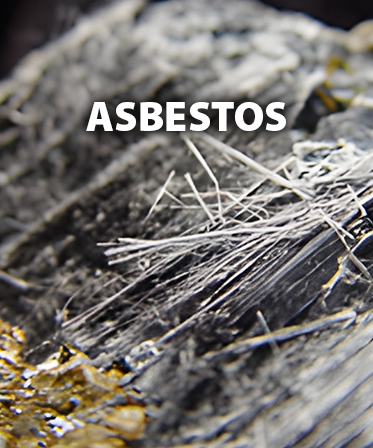
Asbestos was once considered a “miracle material” due to its strength, fire resistance, and insulation properties. Today, it is recognized as a serious health hazard linked to diseases such as lung cancer, mesothelioma, and asbestosis. Because many homes and commercial properties built before the 1990s still contain asbestos, professional asbestos testing has become an essential safety measure.
In this guide, you will learn what asbestos testing is, why it matters, how it works, and when you should schedule an inspection.
What Is Asbestos?
Asbestos refers to a group of naturally occurring minerals made up of thin, fibrous crystals. For decades, it was widely used in construction materials, including:
- Drywall joint compound
- Insulation for pipes and boilers
- Ceiling texture (“popcorn ceilings”)
- Vinyl floor tiles
- Roofing and siding materials
- Cement boards
- Fireproofing products
When these materials are disturbed, asbestos fibers can become airborne. Because these fibers are microscopic, they can be inhaled without being noticed, and once they enter the lungs, they can remain there permanently.
Why Asbestos Is Still a Concern in BC
Canada introduced regulations in 2018 that prohibit the import, sale and use of asbestos, and the manufacture, import, sale and use of products containing it, with a limited number of exclusions. That did not remove the asbestos already in buildings. WorkSafeBC notes that asbestos was widely used in BC as a building material until the early 1990s, and that asbestos fibres are found in over 3,000 household materials. If a home was built before 1990, WorkSafeBC says it is likely that at least some parts of it contain asbestos that could be released by renovation, demolition or maintenance work. Newer homes can also contain asbestos if they were built with older materials.
Asbestos exposure is the number one killer of workers in BC. According to WorkSafeBC, it was a contributing factor in 61 work-related deaths in 2022, about a third of all work-related deaths that year.
Can You Tell If Something Contains Asbestos by Looking at It?
No. WorkSafeBC warns never to assume a building material is free of asbestos, because you cannot tell just by looking at it, and asbestos is often mixed with other materials. Health Canada lists older house siding, cement and plaster, floor and ceiling tiles, roofing products such as tar paper and shingles, surface treatments such as paint, putty, caulking, sealants and spackling, and insulation, including insulation around hot water pipes and tanks, as places it may still be found. Vermiculite insulation in attics and walls may also contain asbestos. Sampling and laboratory analysis is the only reliable way to know.
What Is Asbestos Testing?
Asbestos testing is the process of collecting samples from building materials and analyzing them in a certified laboratory to determine whether asbestos is present.
A professional asbestos inspection usually includes:
- Site assessment – locating materials that may contain asbestos.
- Sample collection – safely removing small portions of the material.
- Laboratory analysis – using microscopy to identify asbestos fibers.
- A detailed report – outlining results and recommendations.
This testing provides clear confirmation of whether a building contains asbestos and where the risks are located.
Why Is Asbestos Testing Important?
1. Protects Occupants and Workers
Asbestos exposure occurs when fibers are inhaled. Testing helps prevent accidental disturbance of materials that may release hazardous dust.
2. Required Before Renovation or Demolition
Most safety regulations require an asbestos survey before:
- Renovations
- Demolition
- Restorations
- Flooring replacement
- Wall or ceiling removal
Testing ensures compliance and eliminates safety violations.
3. Reduces Liability and Costly Mistakes
Without proper testing, you might unknowingly disturb asbestos – resulting in:
- Fines
- Project delays
- Costly cleanup
- Health risks
A simple test prevents major complications.
4. Keeps Your Property Legally Compliant
Certified asbestos assessments help property owners meet environmental, worker-safety, and building-code requirements.
When Should You Get an Asbestos Test?
You should arrange an asbestos inspection if:
- Your home or building was constructed before 1990
- You are planning any renovation or demolition
- You notice damaged or deteriorating insulation
- You recently purchased an older property
- Your workplace requires hazard assessments
- A contractor requests it before beginning work
Even if your building appears safe, asbestos can be hidden in layers of flooring, behind walls, or above ceilings.
How Asbestos Testing Works
1. Visual Inspection
A trained inspector examines the property to identify potential asbestos-containing materials (ACMs).
2. Controlled Sampling
Safe removal methods are used to collect small samples without releasing fibers into the air.
3. Laboratory Testing
Certified labs analyze the samples using advanced microscopic techniques to identify:
- The type of asbestos
- The concentration percentage
- The exact materials affected
4. Results & Recommendations
A full report outlines whether asbestos is present and what steps should be taken, such as monitoring, encapsulation, or professional removal.
What Happens If Asbestos Is Found?
Finding asbestos does not necessarily mean the material must be removed. In many cases, asbestos can be safely contained, sealed, or managed if it is in good condition.
However, if the material is damaged or will be disturbed during renovation or demolition, professional asbestos abatement is required. Only licensed specialists should remove asbestos to protect occupants and ensure compliance with safety regulations.
Living With Asbestos That Is Left in Place
According to Health Canada, there are no significant health risks if asbestos-containing materials in your home are left undisturbed, isolated in an attic, sealed behind walls and floorboards, or tightly bound in products that are in good condition. The danger comes when fibres are released by drilling, sawing, sanding, scraping, breaking apart or removing materials. WorkSafeBC notes that people exposed to asbestos do not develop illnesses right away, since it takes years for health to suffer, and that smokers who inhale asbestos fibres greatly increase their risk of lung cancer.
If you have vermiculite insulation, Health Canada advises against using the attic for storage, keeping children out of the attic, not disturbing the insulation or trying to remove it yourself, and sealing gaps around the attic hatch, baseboards, light fixtures and electrical outlets.
What BC Homeowners Need to Do Before Renovating
WorkSafeBC sets out two steps for homeowners, strata councils and property managers planning a renovation or demolition:
- Hire a licensed asbestos surveyor, who samples possible asbestos-containing materials, sends them to a lab for testing and gives you a report of where asbestos is found.
- If asbestos is found, hire a licensed asbestos abatement contractor and give them the survey report. When the work is done, the contractor provides a report confirming that the asbestos has been contained or removed and the property is ready for renovation or demolition.
Since January 1, 2024, asbestos abatement contractors must be licensed to operate in BC, and anyone performing asbestos abatement work must have certification issued by WorkSafeBC. Hiring an unlicensed contractor puts workers and your family at risk, and WorkSafeBC can respond with consequences such as a stop-work order.
Conclusion
Asbestos testing is a critical step for anyone renovating, purchasing, or maintaining an older property. It provides peace of mind, protects health, prevents accidents, and ensures compliance with safety laws.
Whether you’re a homeowner, contractor, or building manager, investing in professional asbestos testing is the safest and most responsible choice. Learn more about our asbestos testing services.
Frequently Asked Questions
Is my house likely to contain asbestos?
WorkSafeBC says that if your home was built before 1990, it is likely that at least some parts of it contain asbestos. Newer homes can also contain it if they were built with older materials.
Is asbestos dangerous if I leave it alone?
Health Canada says there are no significant health risks when asbestos-containing materials are left undisturbed, sealed behind walls and floorboards, or tightly bound in products in good condition. The risk comes when they are drilled, sanded, broken or removed.
Who can remove asbestos in BC?
Since January 1, 2024, asbestos abatement contractors must be licensed to operate in BC, and workers doing abatement must hold WorkSafeBC certification. WorkSafeBC publishes a registry of licensed contractors.
Is asbestos banned in Canada?
Yes. Regulations introduced in 2018 prohibit the import, sale and use of asbestos and of products containing asbestos, with a limited number of exclusions. Asbestos can still be found in older building materials.
Why Asbestos Testing Matters for Homeowners and Contractors
How Mould Testing Works and Why It Matters in Your Home
What Is a Hazardous Materials Survey?