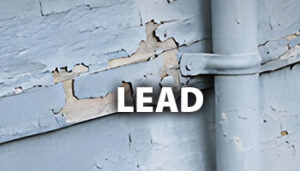

Lead exposure is a serious health risk, especially in older homes where lead-based paint, plumbing components, and contaminated dust may still be present. Professional lead testing helps homeowners identify hidden lead hazards and ensures a safe environment for families, tenants, and workers.
Why Lead Testing Is Important
Lead is toxic even in small amounts. When disturbed during renovation, scraping, sanding, or aging surfaces, it can contaminate indoor air and dust.
Excessive lead exposure can cause:
- Developmental delays in children
- Learning and behavioral problems
- High blood pressure
- Kidney damage
- Reproductive issues
- Long-term neurological effects
Regular testing is essential in any home built before 1990, especially if renovation or demolition is planned.
Common Sources of Lead in Homes
Lead may be found in:
- Lead-based paint on walls, doors, windows, and trim
- Contaminated dust from deteriorating paint
- Old plumbing pipes, solder, and faucets
- Soil near older buildings
- Vintage toys, furniture, and imported products
Identifying all potential sources is critical to preventing exposure.
Our Lead Testing Process
Our certified professionals follow industry standards to deliver accurate results and detailed reporting:
1. Visual Inspection
We start with a thorough site assessment to locate potential lead-containing materials and areas with peeling or damaged paint.
2. Sampling
Depending on your home, sampling methods may include:
- Paint chip sampling
- Dust wipe sampling
- Water sampling
- Soil testing
- XRF (X-Ray Fluorescence) analysis for instant, non-destructive results
3. Laboratory Analysis
Samples are sent to accredited laboratories to determine exact lead levels.
4. Detailed Reporting
You receive a full report outlining:
- Sample locations
- Laboratory results
- Lead concentration levels
- Recommended next steps for remediation or safe handling
When Should You Test for Lead?
You should schedule a lead test if:
- Your home was built before 1990
- You see peeling, chipping, or cracking paint
- You plan to renovate, remodel, or demolish
- Children or pregnant individuals live in the home
- You recently purchased an older property
- You suspect contamination in water or soil
Lead testing provides peace of mind and ensures your property meets safety and compliance standards.
How the Age of Your Home Affects the Risk
Health Canada gives a simple rule of thumb based on when a home was built:
- Built before 1960: the home probably contains lead-based paint.
- Built between 1960 and 1990: the exterior may contain lead-based paint, and interior paint may contain lead in smaller amounts that could still be harmful, especially to young children.
- Built after 1990: the home should not contain lead paint, because all consumer paints produced in Canada and the U.S. were virtually lead-free by then.
Paint is not the only source tied to a home’s age. The National Plumbing Code allowed lead pipes until 1975 and lead-based solder in plumbing until 1986, and some brass faucets and plumbing parts may also contain lead. That lead can leach into drinking water that has been sitting in the pipes for several hours.
Why Children and Pregnant People Face the Greatest Risk
Health Canada notes that there is currently no known safe level of lead exposure. Children are most at risk because their growing bodies absorb lead more easily, and because they tend to put things in their mouths, household dust and dirt are among the main sources of lead for children under six. Lead can also pass through the placenta, so pregnant people need to take extra care. Once absorbed, lead can stay in the body for over 25 years.
Lead affects the brain, nervous system, blood and kidneys. Lead poisoning can cause anemia, a deficiency of red blood cells, and exposure to even low levels of lead can harm a child’s development.
Should Lead Paint Be Removed or Left Alone?
Not always removed. According to Health Canada, if lead-based paint is in good condition and is not on a surface a child might chew, the risk is minimal, and it is often best to leave it alone, paint over it, or cover it with wallpaper, wallboard or panelling. It becomes a serious hazard when it is chipping, flaking or peeling, or when it is within reach of children who might chew on it. Doors, windows, stairs and railings deserve a close look, because normal wear and tear on those surfaces can disturb the paint.
If paint has to come off, Health Canada advises against sanders, heat guns or blowlamps, because they create dust and fumes that contain lead. Children and pregnant women should stay away from the work area, and hiring an expert is worth considering. Testing first tells you which surfaces actually contain lead, so the work can be planned around them.
Lead Testing Before a Renovation
WorkSafeBC notes that removing lead-based paint, or demolishing walls coated with it, can release lead dust into the air, and it lists renovating or tearing down any structure with lead-based paints or coatings among the activities that most commonly expose workers to lead. Lead dust can also be carried home on work clothes, which is why WorkSafeBC tells workers to leave their work clothes at work.
For renovation and demolition, BC’s Occupational Health and Safety Regulation requires a qualified person to inspect the building for hazardous materials, including lead and other heavy metals, before the work begins. Where the work will significantly disturb lead-containing material, WorkSafeBC must receive a notice of project at least 48 hours before that work starts. Knowing where the lead is before the first wall is opened lets your contractor plan safe work procedures instead of stopping partway through the job.
Testing Your Drinking Water for Lead
If your home has a lead service line or other lead plumbing, Health Canada suggests having your tap water tested. Your municipality or water utility can tell you whether there are lead service lines in your area, and a plumber can check your supply pipe. A pipe entering the home that is greyish-black, soft and easily dented when scraped with a knife is likely made of or contains lead. Until the source is dealt with, Health Canada recommends running the tap until the water is cold before using it for drinking or cooking, especially first thing in the morning, and not using water from the hot tap for either.
Professional Lead Testing for a Safe Home
Accurate lead testing protects your family and ensures you meet provincial and federal safety regulations. Our team uses certified testing methods and provides reliable results so you can address any hazards properly and safely. Learn more about our lead testing services.
Frequently Asked Questions
Does my house have lead paint?
Health Canada says a home built before 1960 probably contains lead-based paint, and a home built between 1960 and 1990 may have it on the exterior, with smaller amounts possible inside. Testing the paint is the only way to know for sure.
Is lead paint dangerous if it is not peeling?
Health Canada considers the risk minimal when lead paint is in good condition and not on a surface a child might chew. It becomes a serious hazard when it is chipping, flaking or peeling, or when it is disturbed during renovation.
Can I sand or scrape lead paint myself?
Health Canada advises against using sanders, heat guns or blowlamps on lead paint, because they create dust and fumes that contain lead. Children and pregnant women should stay away from the work area.
Do I need a lead test before renovating?
For renovation or demolition work, BC’s Occupational Health and Safety Regulation requires a qualified person to inspect for hazardous materials, including lead, before work begins. Work that significantly disturbs lead-containing material also needs a notice of project to WorkSafeBC at least 48 hours before it starts.

Why Asbestos Testing Matters for Homeowners and Contractors
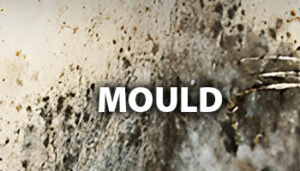
How Mould Testing Works and Why It Matters in Your Home
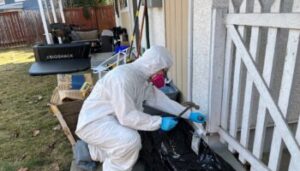
What Is a Hazardous Materials Survey?